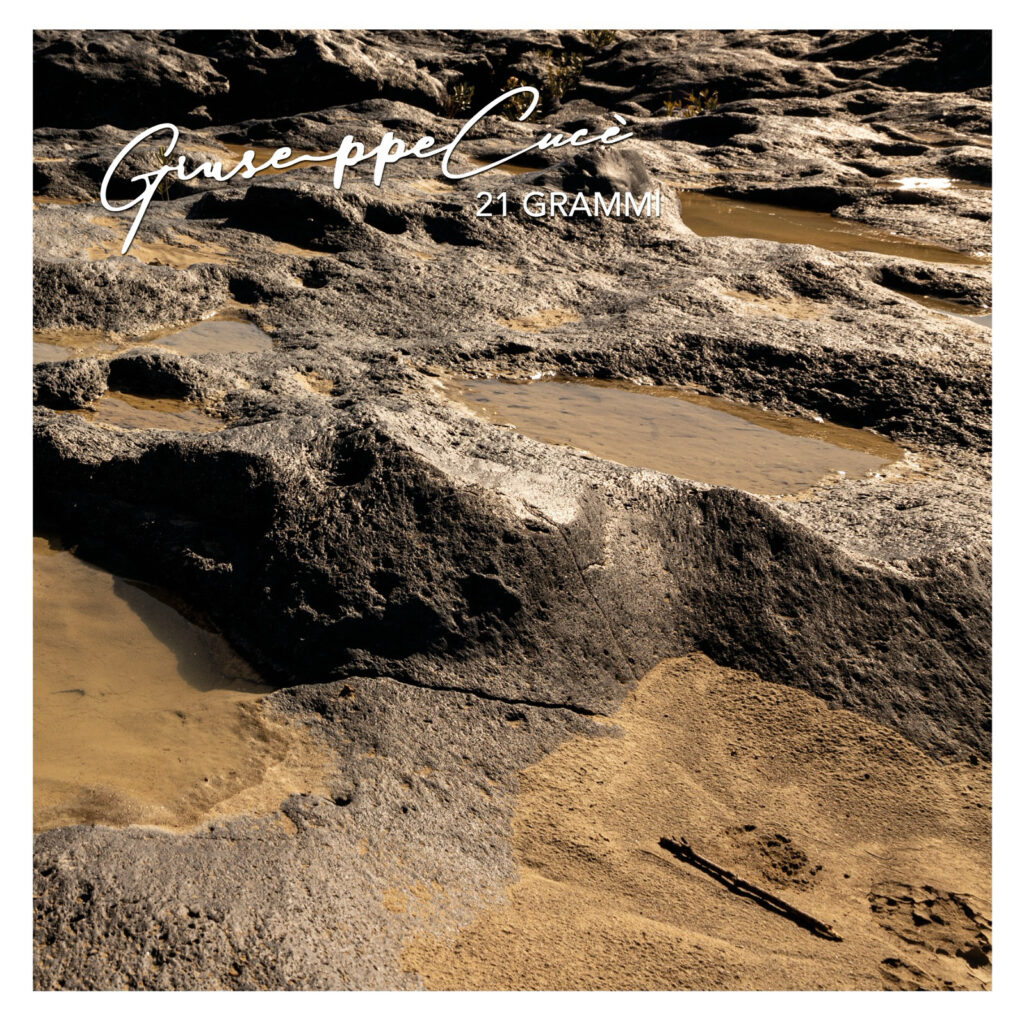
Giuseppe Cucè’s 21 Grammi is not the kind of album designed for passive listening. It asks for patience, attention, and emotional openness, rewarding listeners with a deeply immersive experience that unfolds like a cinematic meditation on life, memory, and transformation. Inspired by Dr. Duncan MacDougall’s infamous 1907 theory that the human soul weighs 21 grams, Cucè transforms a philosophical concept into something profoundly human and relatable. Rather than treating the soul as an abstract mystery, he interprets those “21 grams” as the emotional weight we carry through life—love, grief, hope, faith, regret, and memory. The result is an album that feels both intimate and expansive, rooted in personal reflection while speaking to universal emotions. Wrapped in warm Mediterranean textures, analogue instrumentation, and orchestral arrangements, 21 Grammi creates a listening atmosphere that feels less like an album and more like entering a carefully constructed emotional world.
From the opening moments of “È tutto così vero,” Cucè establishes the reflective tone that defines the entire project. Soft piano melodies and swelling strings gently introduce the listener into an environment filled with vulnerability and quiet grandeur. There is a confessional quality to the performance, as though Cucè is speaking directly from a private emotional space rather than performing for an audience. Unlike many modern records that chase instant hooks and high-impact moments, 21 Grammi embraces restraint. Silence and negative space become part of the storytelling, allowing emotions to settle naturally between notes and phrases. This measured pacing gives the music a cinematic quality reminiscent of slow-burning European art films, where atmosphere and emotional tension matter more than spectacle. The album feels lived in, thoughtful, and intentionally crafted to encourage deep listening.
The conceptual centerpiece, “Ventuno,” captures the spiritual core of the album with remarkable elegance. Ethereal instrumentation drifts over a heartbeat-like rhythm, creating the sensation of something suspended between worlds. The song explores transformation and self-discovery without becoming overly literal, allowing listeners to project their own emotions into the music. Cucè’s voice remains central throughout, carrying a delicate honesty that makes even the abstract themes feel grounded and human. His ability to communicate emotional depth transcends language barriers; even listeners unfamiliar with Italian can feel the emotional gravity behind every phrase. This is one of the album’s greatest achievements—it speaks directly to emotion rather than intellect, making the experience instinctive and deeply personal.
One of Cucè’s strongest qualities as an artist is his ability to create mood through sound design and arrangement. Producer Riccardo Samperi plays a crucial role in shaping the album’s sonic identity, ensuring every instrumental layer contributes to the emotional narrative. The production is warm, organic, and richly textured, favoring real instruments and analog tones over synthetic excess. Hammond organ swells, atmospheric synths, piano lines, and orchestral strings breathe naturally throughout the record, giving the music a tactile quality that feels increasingly rare in modern pop production. Songs like “La mia dea” showcase this beautifully, blending serene instrumentation with emotionally resonant melodies that linger long after the track ends. Every sonic detail feels intentional, reinforcing the album’s themes of intimacy and emotional truth.
While 21 Grammi leans heavily into introspection, it is far from emotionally monotonous. Cucè carefully balances melancholy with moments of warmth, vitality, and movement. “Dimmi cosa vuoi” introduces a subtle groove and soft rock sensibility, offering a slight shift in energy without disrupting the album’s cohesion. The track feels conversational, exploring vulnerability and desire with directness and sincerity. Elsewhere, “Fragile equilibrio” strips things back acoustically, capturing the fragile tension between chaos and control through understated instrumentation and delicate lyricism. Each track functions like a chapter in a larger emotional journey, contributing to the album’s sense of narrative progression rather than existing as isolated moments.
One of the album’s most emotionally striking moments arrives with “Una notte infinita,” a track that unfolds with the slow-burning intensity of a late-night film scene. Dreamlike arrangements and layered instrumentation create an atmosphere that feels suspended in time, while Cucè’s vocal performance reaches some of its most expressive heights. The song explores themes of longing, time, and emotional endurance, balancing sadness with an aching beauty that makes it impossible to look away from emotionally. There is a timeless quality to the composition, recalling classic Italian songwriting traditions while still feeling contemporary in its production and emotional transparency. It is the kind of track that lingers in the mind long after it ends, replaying itself like a memory you cannot fully let go of.
Musically, the album moves fluidly between balladic introspection and more vibrant, rhythm-driven passages. The salsa-infused energy of “È tutto così vero” contrasts beautifully with the funk-laced closing track “Di estate non si muore,” demonstrating Cucè’s versatility as both a songwriter and performer. Yet despite these stylistic shifts, the album never loses its cohesion. Every arrangement, tempo change, and melodic decision feels connected to the overarching emotional narrative. This careful balance between variety and consistency is one of the reasons 21 Grammi feels so complete as an album experience. Rather than delivering disconnected singles, Cucè presents a unified artistic statement where every song deepens the emotional and thematic impact of the one before it.
What makes 21 Grammi especially compelling is how accessible it remains despite its philosophical themes. The album deals with spirituality, mortality, identity, and emotional inheritance, yet it never feels distant or pretentious. Cucè approaches these subjects with humility and humanity, grounding abstract ideas in relatable emotional experiences. Love, grief, resilience, nostalgia, and self-discovery become the true weight of the soul in his interpretation. This emotional accessibility allows the album to transcend language. Even without understanding every lyric, listeners can still connect deeply with the music because the emotional intention behind every note feels unmistakably sincere. It is rare to find a concept album so intellectually thoughtful while remaining emotionally open and inviting.
Ultimately, 21 Grammi is a work of quiet confidence, artistic maturity, and emotional honesty. Giuseppe Cucè has crafted an album that values atmosphere over immediacy and emotional resonance over spectacle, trusting listeners to engage with it fully rather than consume it casually. The record rewards repeated listening, revealing new emotional layers and sonic details with each return. It is both deeply personal and universally human, blending Italian lyrical artistry with modern indie-pop sensibilities in a way that feels timeless rather than trend-driven. Whether experienced during a solitary evening walk, a late-night drive, or moments of private reflection, 21 Grammi leaves a lasting emotional imprint. It feels like an exploration of what it means to carry one.
For Giuseppe Cucè
SPOTIFY – APPLE MUSIC – DEEZER – FACEBOOK – INSTAGRAM